
CLEANTEX POWER NO GAS – tackling the toughest stains
• Rapid action (10 min before washing)
• Effective on a wide variety of types of scrub
• Reduces CO2 emissions
• Suitable for washing machine








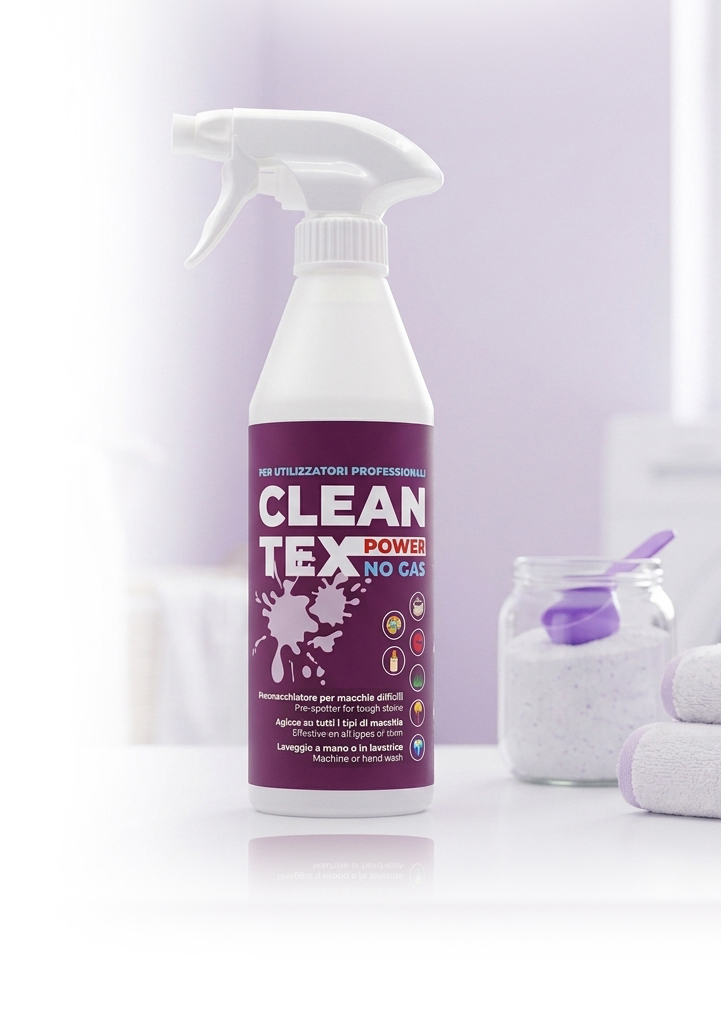
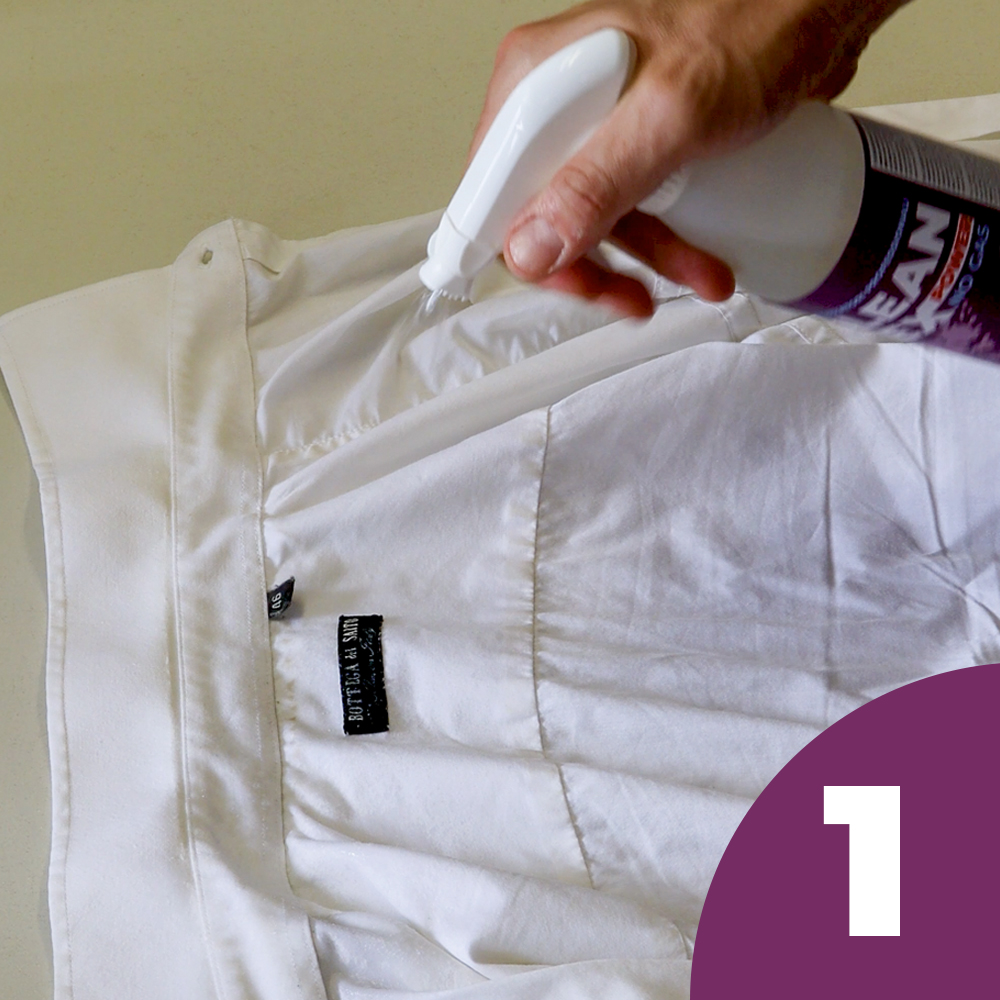
SPECIALISED TREATMENT OF COLLARS AND CUFFS
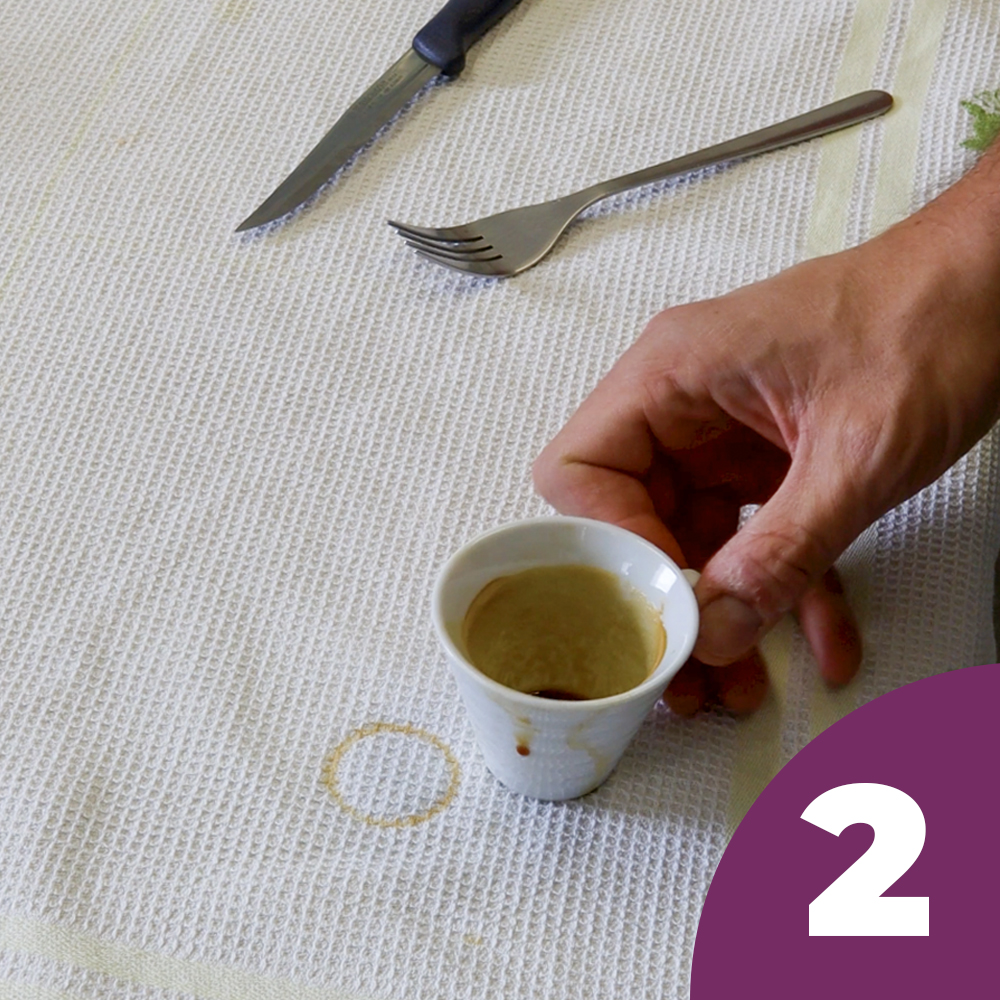
WIDE-RANGE SPRAY
FOR LARGE AREAS
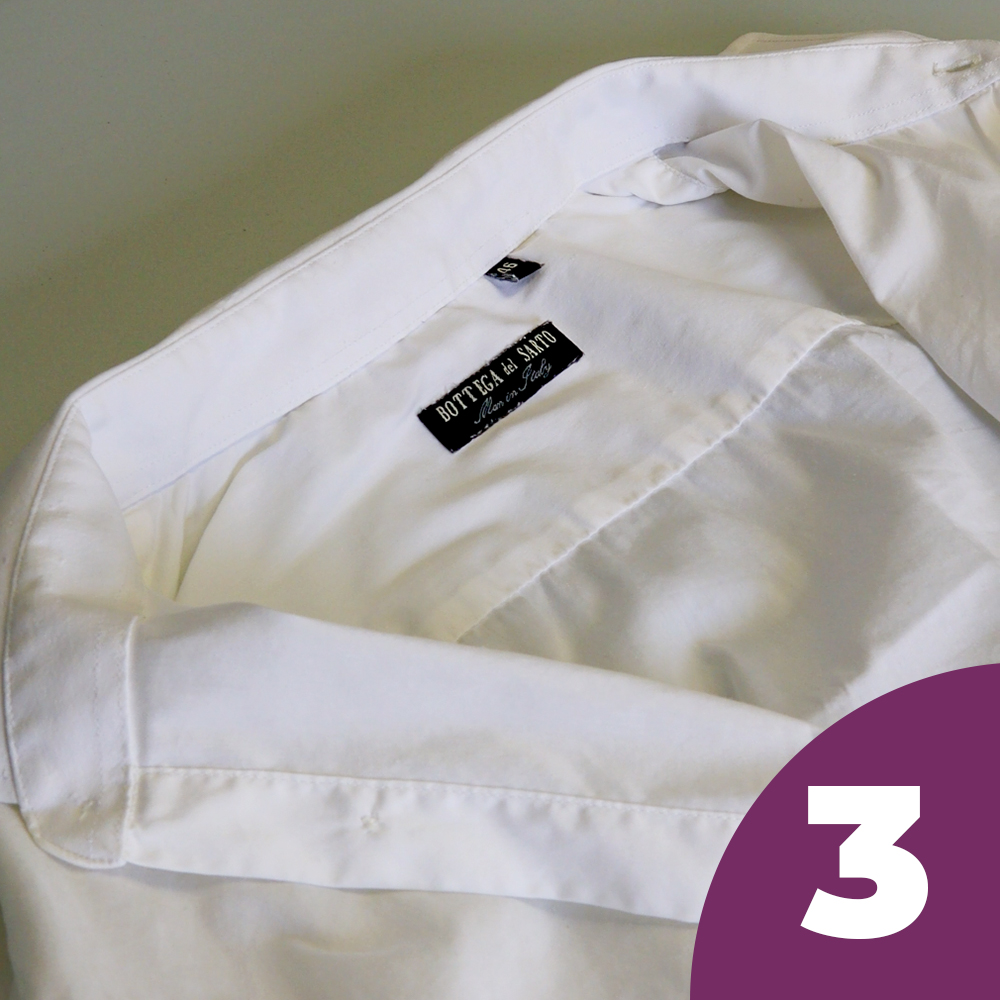
FLAWLESS RESULTS
AND SOFT FABRICS
HOW IT WORKS
Cleantex Power No Gas should be applied approximately 10 minutes before machine washing to shirt collars and cuffs, and on stains caused by coffee, grass, cooked tomato, cooked oil, lipstick, wax crayons, tar, shoe polish, grease, oil paints, Bostik, wax, butter, ballpoint pen, varnish, resin and hair pomade.
HOW TO USE TRIGGER:
- Choose the spray pattern: lower the screen for a concentrated spray on the stain, or open it for a wider spray.
- Spray directly onto the fabric to be treated.
- Leave it to work for 10 minutes, then wash as normal. Do not allow the product to dry on the fabric.

Wide-range spray
Ideal for large areas and general pre-treatment.

Targeted foam
Ideal for localised and stubborn stains.
Warning for delicate fabrics:
Do not use on wool, silk, leather or items that are dry-clean only.
For coloured or delicate synthetic garments, check colour fastness by spraying the product onto a concealed area (e.g. the inside of the lapel) before use.
HOW TO RECOGNIZE THE MOST COMMON SPOTS
These are caused by oils and fats. They are the most deceptive because they are initially difficult to spot on dark fabrics.
- To the touch, they leave the fabric feeling soft but slippery, and almost transparent when held up to the light. They often darken the fabric’s weave. Over time and when exposed to heat (e.g. an iron), they tend to set and turn yellow.
- Typical examples: Cooking oil, butter, make-up (foundation, lipstick), mayonnaise, sebum from the neck or cuffs, seasoned tomato sauce.
These are caused by organic substances that are sensitive to heat.
- If they dry out or are soaked in hot water, they become stiff and crusty to the touch. They often change colour, turning a shade of brown or grey.
- Golden rule: Never wash them at high temperatures before treating them, otherwise the proteins will denature and become permanently bonded to the fabric fibres.
- Typical examples: Blood, eggs, milk, ice cream, sweat, food residues or baby food.
These are caused by natural pigments found in plants, fruit or drinks.
- They have very intense, distinct colours (red, purple, dark brown, bright yellow). They do not alter the texture of the fabric to the touch (they are neither sticky nor stiff), but penetrate deep into the fibres.
- Typical examples: Red wine, coffee, tea, fruit (cherries, blueberries), grass, beer, soya sauce.
These are caused by external artificial agents or body care products.
- They often have a distinctive, pungent chemical smell. They can permanently bond fibres together (like glues) or directly discolour the fabric (like bleach).
- Typical examples: Pen or marker ink, paint, glue, deodorant (the typical hard, whitish or yellowish stains under the armpits), mud or soil.
 Wet Cleaning
 Traditional Laundry
 Industrial Laundry
 Self Service
 Dry Cleaning
 Fabric Care
 Home Care
 Lines